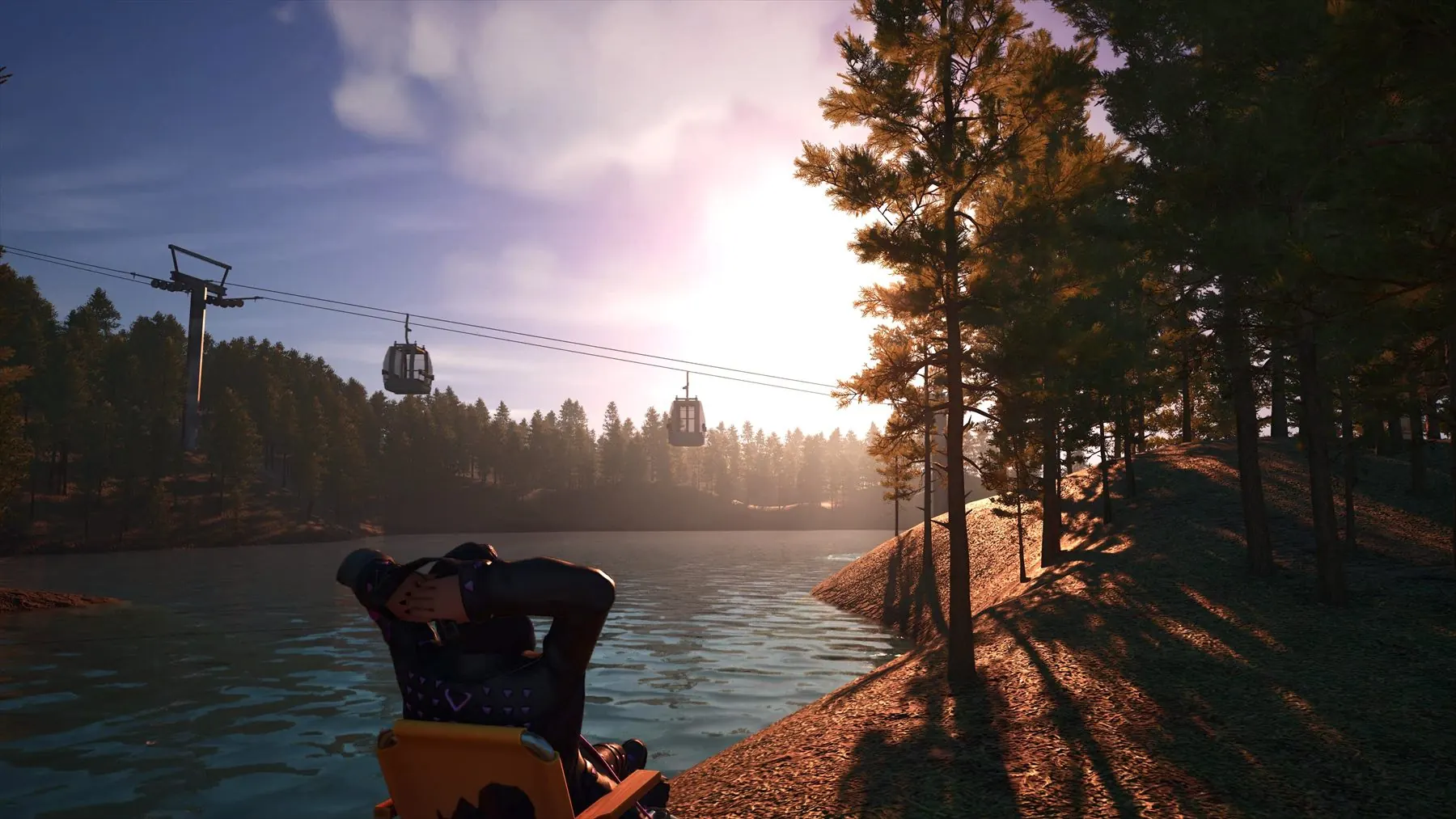
When people hear Fortnite marketing, the first thing that often comes to mind is a branded skin, an in-game item, or a big virtual concert. But I think one of the most interesting opportunities for brands today goes much further than simply appearing inside the game.
Brands can actually build experiences people choose to spend time in.
With Unreal Editor for Fortnite (UEFN), Fortnite has evolved into much more than a traditional game. Creators can build complete interactive experiences using custom environments, gameplay systems, cinematics, UI, progression and multiplayer mechanics, and publish them directly into an ecosystem where millions of players are already looking for something new to play.
For marketers, that changes the conversation.
It also comes at a time when traditional advertising is becoming increasingly easy to ignore, especially for younger audiences. People have grown up surrounded by banners, pre-roll ads, sponsored posts and constant calls for their attention. Over time, we have become extremely good at filtering those formats out. There is even a term for part of this behaviour - “banner blindness”, where users learn to overlook areas and formats they associate with advertising almost automatically.
Younger generations are not necessarily opposed to brands. But they are much more selective about how they interact with them. Simply interrupting something they already enjoy and asking for their attention is becoming less effective. To earn that attention, brands increasingly need to offer something people actually want to engage with.
Instead of asking “How do we place our brand in front of this audience?”, we can start asking:
“What would this brand feel like if you could play it?”
That is where things become much more interesting.
A destination can become an explorable world. A music artist can become the foundation for an interactive experience. A product launch can become a challenge, competition, or social game. Players can discover a brand through a story, complete quests connected to it, explore a recreated location, compete with friends, unlock content or simply spend time in a world designed around its identity.
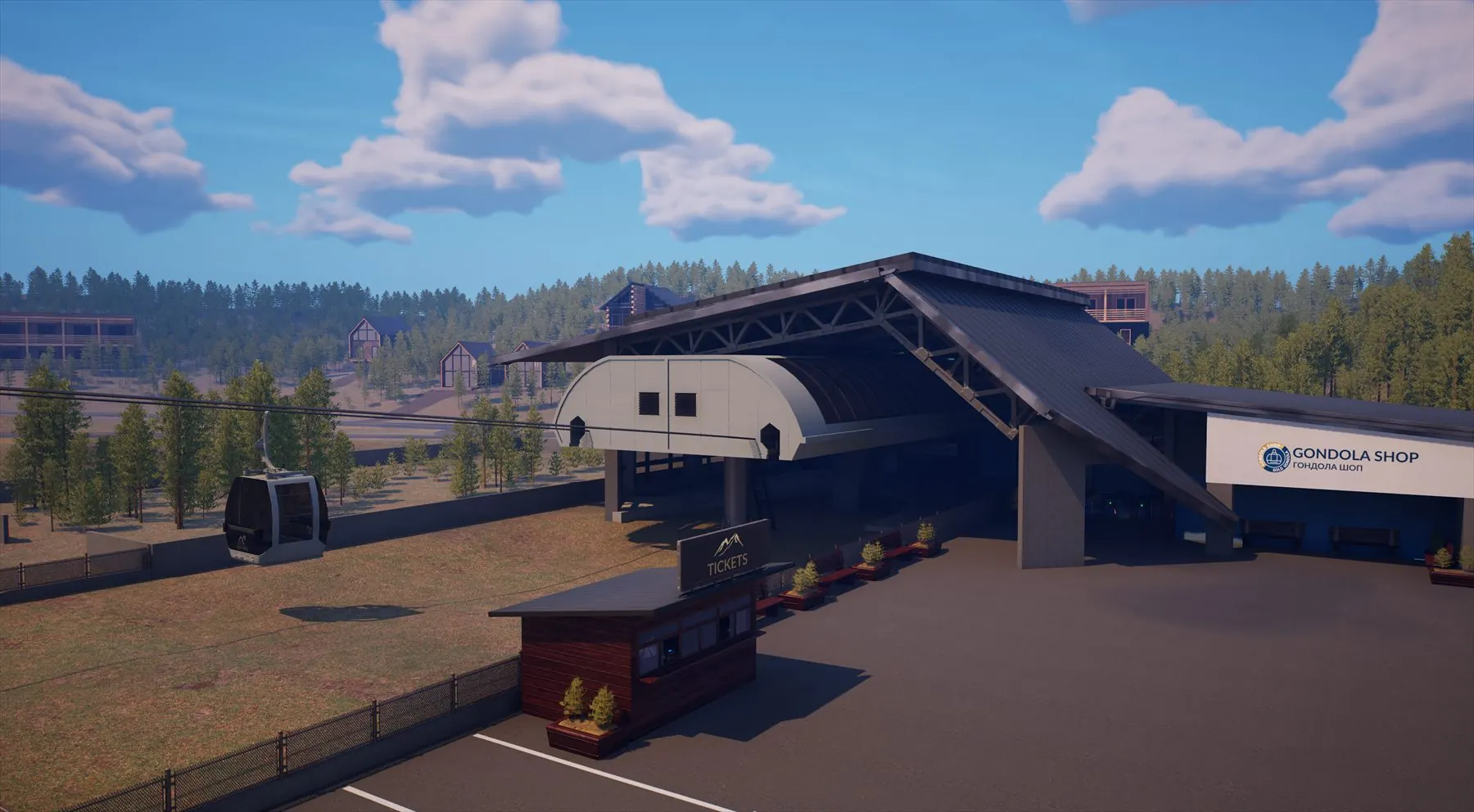
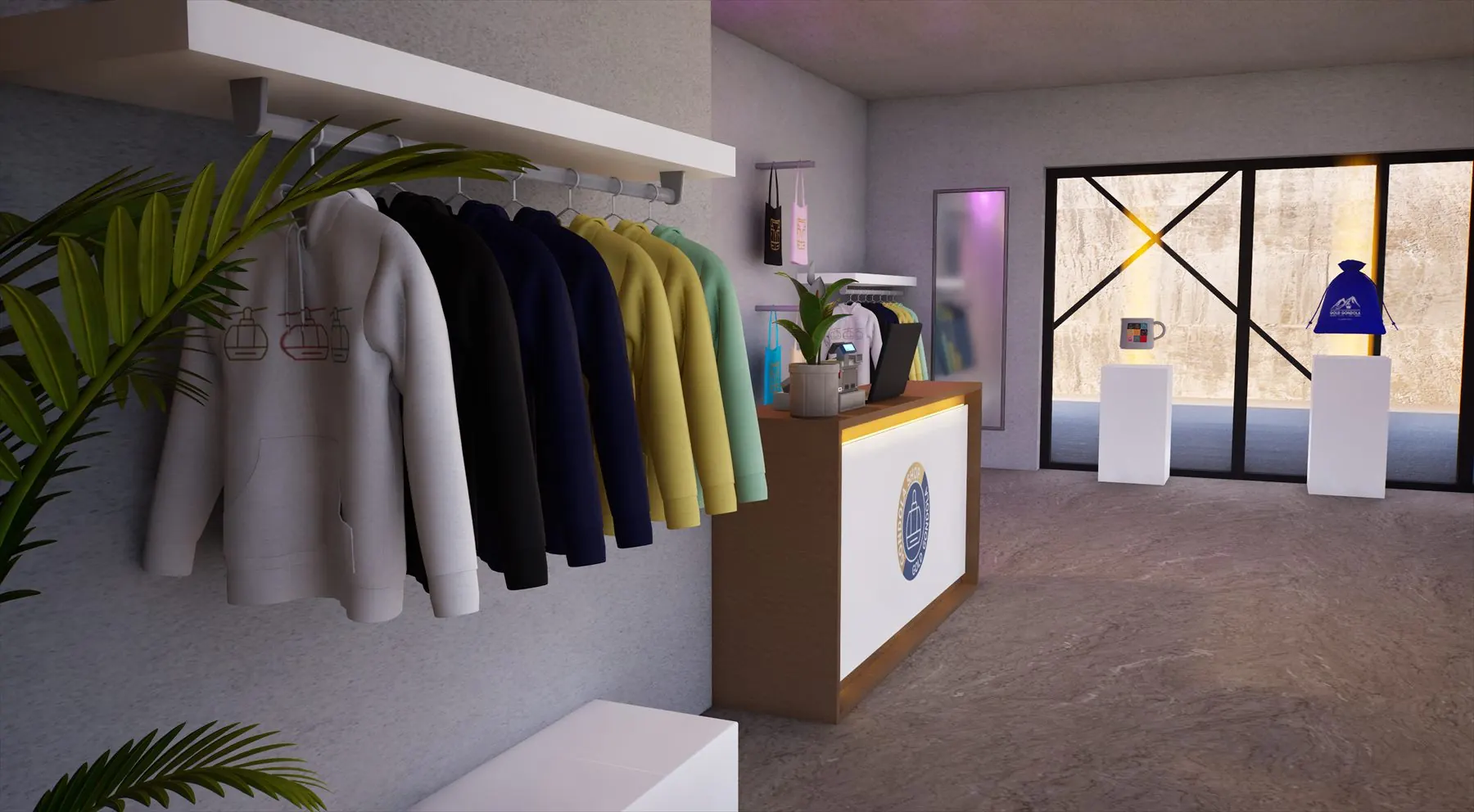
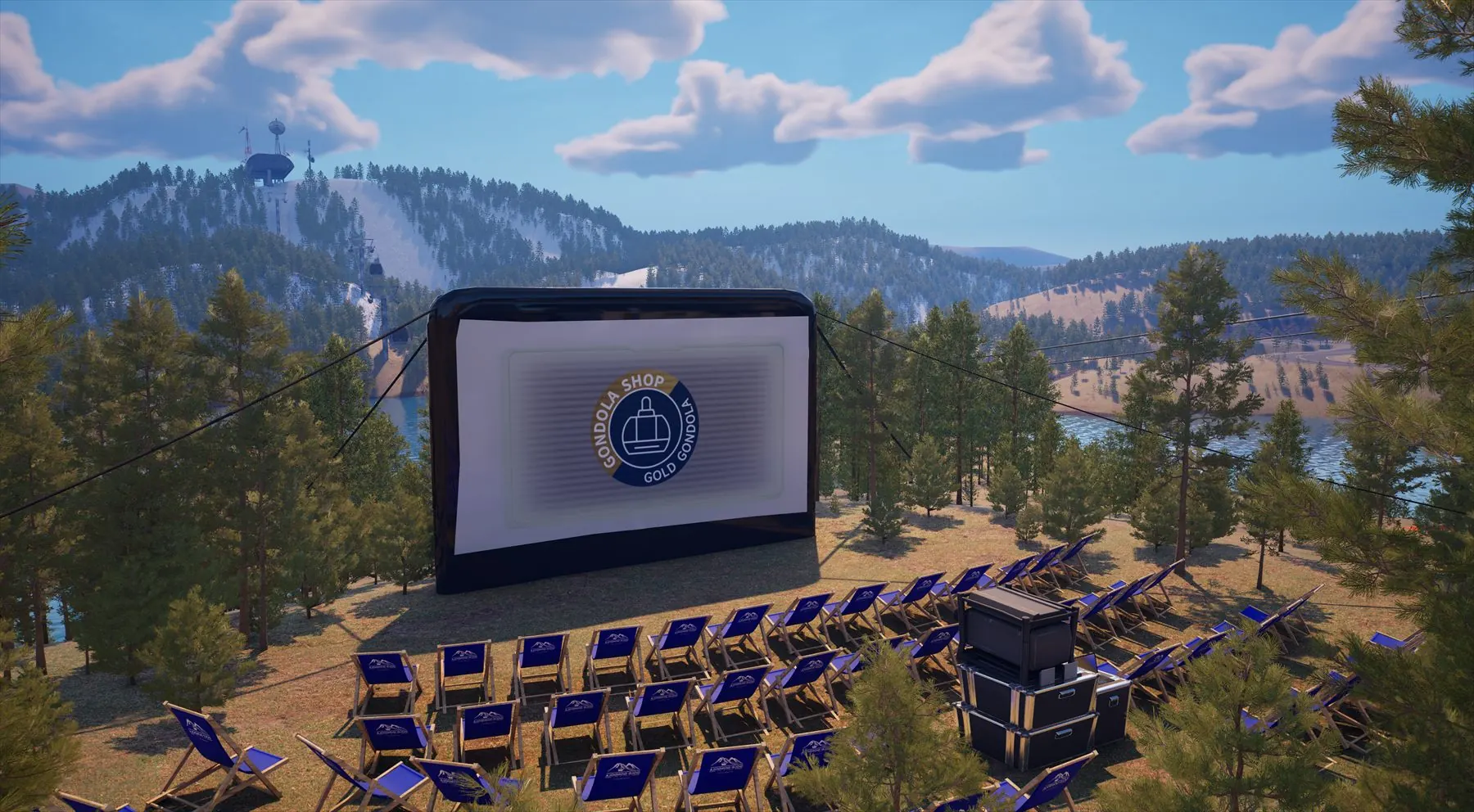
When we created Gold Gondola Adventure for Gold Gondola Zlatibor, for example, the goal was not to recreate a traditional advertisement inside Fortnite. We translated elements of Zlatibor and the destination into gameplay players could explore, race boats, go tubing, fish, practice archery, plant trees, use ziplines and complete different activities around the world.
That distinction is important.
People generally do not open Fortnite because they want to see advertising. They open it because they want to play.
A successful branded experience therefore has to work as a game first. The branding, environment, story and mechanics should feel like parts of the same experience rather than something placed on top of it.
This is also why I find UEFN particularly interesting from a marketing perspective. Development, distribution, and the audience exist within the same ecosystem. Once an experience is published, it can live alongside everything else players are discovering in Fortnite. It can also evolve after launch through updates, new content, seasonal changes, events and feedback from actual players.
In that sense, I sometimes think of Fortnite almost like YouTube for games.
You are not only creating a campaign asset with a fixed beginning and end. You are publishing something interactive into a platform where people can discover it, share it with friends, return to it and spend meaningful time with it.
And time is an important part of the value.
A video might give a brand thirty seconds of attention. An interactive experience can potentially create ten, twenty or sixty minutes of active engagement, not because someone was forced to watch it, but because they decided to stay.
That also creates a different type of relationship with the audience. Players are no longer only viewers of the campaign. They become participants inside it.
Of course, being inside Fortnite alone does not automatically make something successful. Players have an enormous amount of content to choose from and branded experiences compete for attention in exactly the same way as other games. Good game design, strong visual communication, a clear concept and an understanding of the Fortnite audience still matter enormously.
Fortnite gives brands the possibility to turn their identity, product, destination, story or IP into a place people can enter and, more importantly, into something they can actually experience together.
For marketing, that is a very different kind of touchpoint.
It is not just something you see.
It is something you play.